
A unique blend of expertise and individualized care for every stage of life.

At Georgia Regional Behavioral Services, our speech-language program works alongside our ABA team to help children and adults communicate, connect, eat, and thrive. Every plan is tailored to how your loved one shows up in the world.

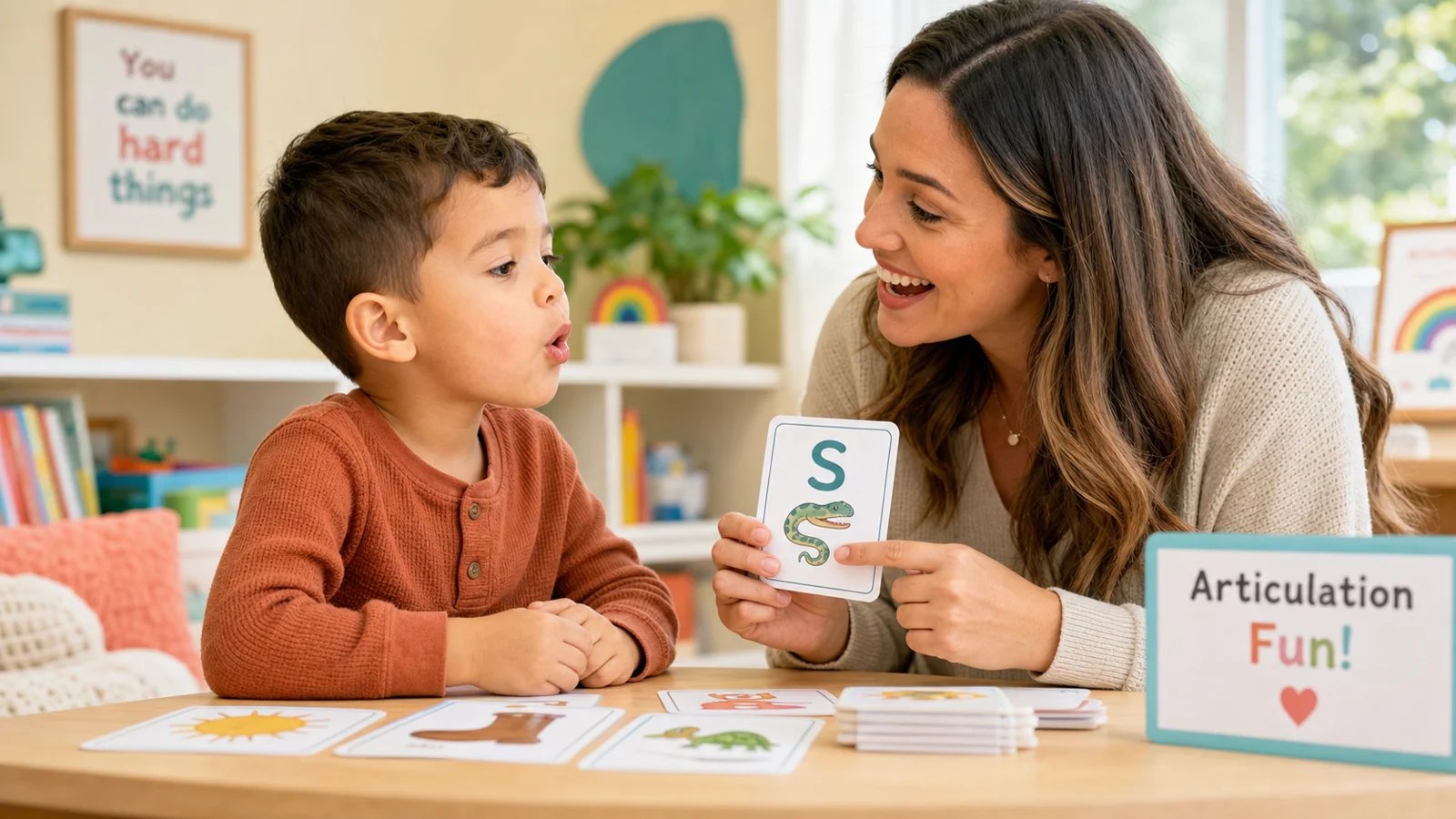
A speech-language therapist and young child working with colorful articulation flashcards at a bright playroom table

Four core areas. One partnership.

Whether the goal is a clear s, a full sentence, a safer swallow, or a smoother playdate — we start with a thorough evaluation and build a plan you understand.

Speech & Articulation

Sound production that others understand.

Speech and articulation therapy focuses on how sounds are formed — using the lips, tongue, jaw, and airflow to produce each word clearly. When a child (or adult) struggles with specific sounds, we identify the pattern, model the motor movement, and practice it into everyday speech.

  • Individual-sound articulation (R, S, L, TH, and more)
  • Motor-speech and childhood apraxia of speech
  • Voice, fluency, and stuttering support
  • Confidence and generalization to conversation
Language

Two sides of one skill.

Language is how a person uses words to communicate wants and thoughts. It has two categories, and we evaluate each before building an individualized therapy plan:

  • Receptive language — how a person comprehends spoken language, from following directions to understanding stories
  • Expressive language — how a person uses words, sentences, and grammar to share thoughts and needs
  • Vocabulary building and sentence structure
  • Reading comprehension and academic language
Feeding & Swallowing

Safe, confident mealtimes.

Feeding and swallowing refers to the ability to chew and swallow food in its various presentations. When we see signs of weak oral control while eating and swallowing, targeted therapy can strengthen those muscles — which often improves speech clarity as well.

  • Oral-motor strength and coordination
  • Safe chewing and swallowing across textures
  • Picky-eating and sensory-based feeding challenges
  • Family coaching for calmer mealtimes at home
Pragmatics

The social side of communication.

Pragmatics refers to a person's ability to navigate social environments using proper communication skills and age-appropriate social behaviors. We work with each client's individual needs so they can thrive in every social environment — from the classroom to the community.

  • Conversation, turn-taking, and topic maintenance
  • Reading tone, body language, and social cues
  • Peer-play, group participation, and self-advocacy
  • Real-world coaching in school and community settings

Speech + ABA, under one roof.

Many of the families who come to us for ABA also benefit from speech-language therapy — and vice versa. Because our clinicians share notes, goals, and progress data across disciplines, your child doesn't have to repeat their story at every appointment.

  • One coordinated plan. Your BCBA and SLP align on shared goals so progress in one setting reinforces the other.
  • Family training that adds up. You learn strategies you can use at home, in the car, and at the dinner table.
  • Data you can see. Regular progress reviews across speech and ABA so families always know what's working.
  • Delivered wherever it fits. In your home, at our Lilburn center, in your child's school, or through telehealth — across all of Georgia.

“Whatever it takes. Every family's experience is carefully curated, thoughtful, and warm.”

— Our Clinical Team
See our ABA services See insurance plans we accept Where we serve

A few things families often ask.

Do you take insurance for speech therapy?

Speech-language therapy is often covered by Medicaid and by most major commercial plans. Coverage varies by carrier and by diagnosis, so the fastest path is to give us a call at (404) 407-5224 — we'll verify your benefits and let you know what's covered before anything begins.

Can a child do both speech and ABA at the same time?

Yes — and many of our families do. Because both teams are in-house at GRBS, we coordinate the schedule and the clinical goals so the two therapies reinforce each other rather than compete for time and energy.

How do I know if my child needs speech therapy?

Common signs include difficulty being understood, a limited vocabulary for their age, trouble following directions, frequent gagging or trouble with certain textures at meals, or struggles with social communication and peer play. If you're unsure, a free consult with our team is the best first step.

Do you serve adults, or only children?

We are proud to offer speech-language services to people of all stages of life and health. While the majority of our clients are children, we welcome adult referrals and lifespan care for language, feeding, and cognitive-communication needs.

Where do sessions take place?

Sessions can happen at our Lilburn center, in your home, at your child's school, or via secure telehealth — throughout Metro Atlanta and across all of Georgia. We'll help you pick the setting that best fits your goals and schedule.

Ready to start with a free speech consult?

Tell us a little about your child (or yourself) and we'll get back to you with answers to your specific questions.